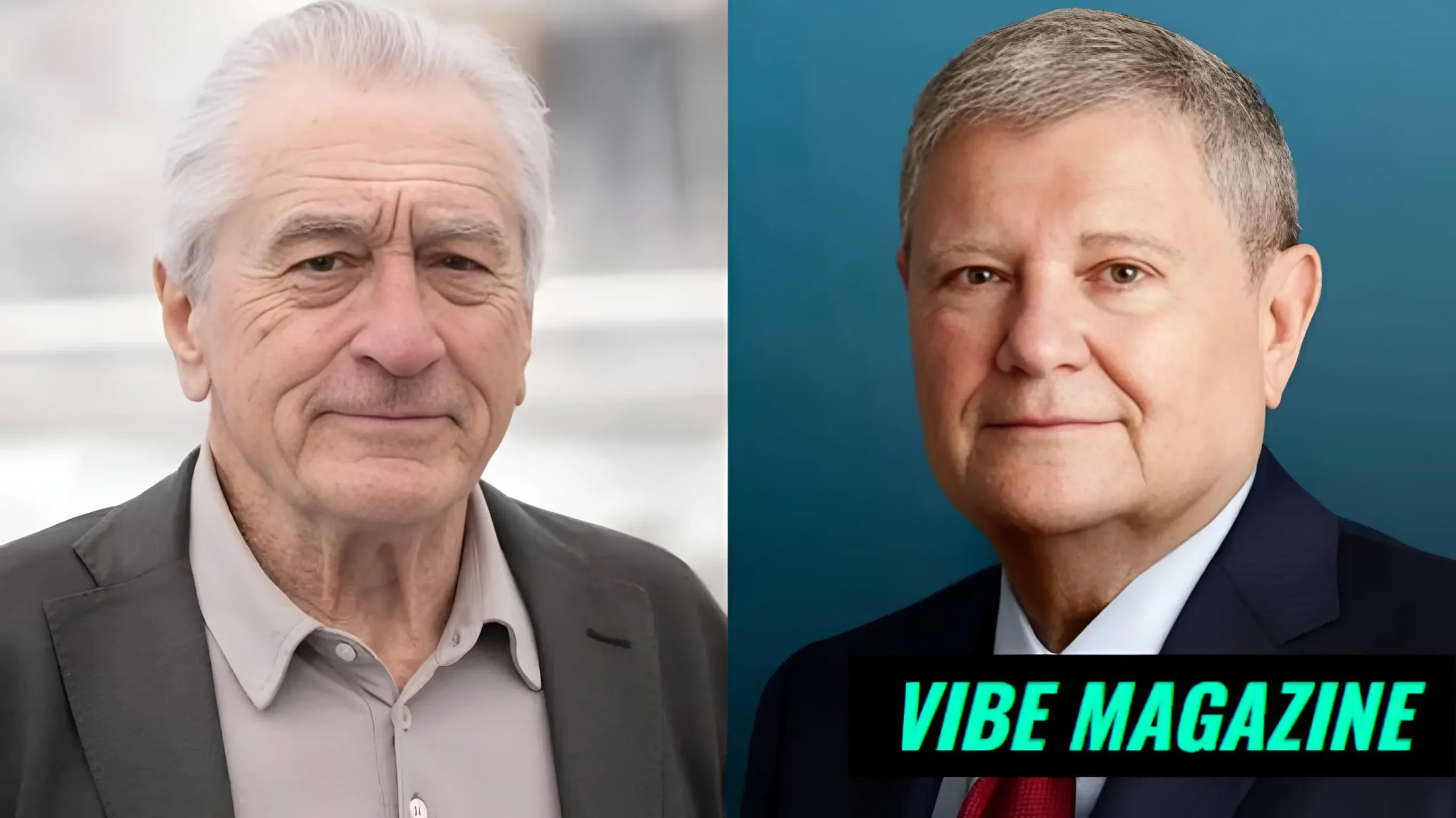
Tom Kennedy and Emma Walmsley: Two CEO Paths
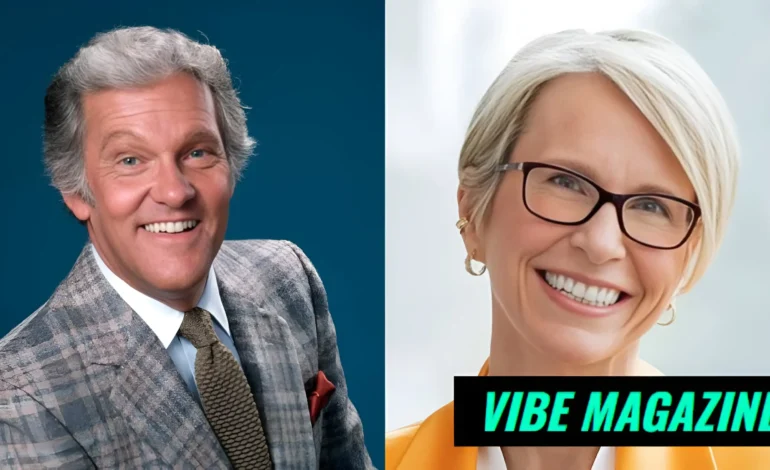

The names Tom Kennedy and Emma Walmsley bring together two senior business figures whose careers developed in very different industries. Kennedy became one of the most recognizable executives in the aerospace and defense sector through his long career at Raytheon, while Walmsley built her reputation through international consumer businesses before moving into healthcare and eventually leading GSK.
There is an important point to establish at the beginning: there is no well-documented public evidence that Tom Kennedy and Emma Walmsley are relatives, spouses, close personal associates, or business partners. Their names are better understood as the subject of a professional comparison. Both reached the highest levels of major international companies, but the routes they took were almost opposite.
Kennedy’s career was built around engineering, technology, military experience and decades of operational leadership. Walmsley’s background was rooted in languages, international marketing, consumer products and commercial management. One developed deep expertise in highly technical defense systems; the other built experience managing global brands and healthcare businesses.
That contrast makes Tom Kennedy and Emma Walmsley an interesting pair to examine. Their stories show that there is no single formula for reaching the top of a multinational company. One executive climbed through engineering and operations, while the other progressed through international business and commercial leadership.
| Fact | Details |
|---|---|
| Full Name | Tom Kennedy: Thomas A. Kennedy; Emma Walmsley: Emma Natasha Walmsley |
| Date of Birth | Tom Kennedy: 1955; exact date has not been publicly confirmed. Emma Walmsley: June 1969 |
| Place of Birth | Tom Kennedy: Information has not been publicly confirmed. Emma Walmsley: Barrow-in-Furness, England |
| Nationality | Tom Kennedy: American; Emma Walmsley: British |
| Profession | Tom Kennedy: Aerospace and defense executive; Emma Walmsley: Business executive |
| Known For | Tom Kennedy: Former chairman and CEO of Raytheon; Emma Walmsley: Former CEO of GSK |
| Career | Tom Kennedy spent decades at Raytheon; Emma Walmsley spent 17 years at L’Oréal before joining GSK |
| Years Active | Tom Kennedy: Corporate career beginning in the 1980s; Emma Walmsley: Professional career spanning L’Oréal, GSK and board roles |
| Education | Tom Kennedy: Electrical engineering degrees and doctorate in engineering; Emma Walmsley: Classics and Modern Languages at Oxford |
| Net Worth | Information has not been publicly confirmed |
| Marital Status | Tom Kennedy: Married; Emma Walmsley: Married |
| Spouse | Tom Kennedy: Elaine M. Kennedy; Emma Walmsley: David Owen |
| Children | Tom Kennedy: Information has not been publicly confirmed; Emma Walmsley: Four children |
| Major Achievements | Tom Kennedy: Led Raytheon as chairman and CEO and later served as executive chairman of Raytheon Technologies; Emma Walmsley: Led GSK and oversaw major strategic changes during her tenure |
| Notable Roles | Tom Kennedy: Former Raytheon chairman and CEO; Emma Walmsley: Former GSK CEO and Microsoft board member |
Two Names, Two Very Different Executive Journeys
A search for Tom Kennedy and Emma Walmsley can initially suggest that there must be a direct story connecting the two.
There isn’t one that can responsibly be established from their public professional histories.
Instead, the value of looking at them together comes from the contrast. Their careers illustrate two fundamentally different approaches to executive development.
Tom Kennedy’s professional identity was shaped by engineering. His education focused on electrical engineering, followed by advanced study and a doctorate in engineering. Military service added another dimension to his experience before he joined Raytheon.
Emma Walmsley took a very different route. She studied classics and modern languages at Oxford and then entered the consumer-business world through L’Oréal. Rather than spending her formative professional years designing technical systems, she developed expertise in marketing, brands, international management and commercial operations.
Neither background prevented the two from eventually reaching the top.
That is perhaps the most useful reason to examine their careers side by side.
Corporate leadership is not restricted to one academic discipline. A large aerospace company may require an executive who understands engineering, defense programs and complex technology. A global pharmaceutical company may require someone capable of coordinating scientific, commercial, regulatory and financial priorities without personally coming from a laboratory background.
Kennedy and Walmsley each developed the kind of experience their organizations needed.
Tom Kennedy’s Career Was Built From the Technical Side Up
Thomas A. Kennedy spent much of his professional life at Raytheon.
He joined the company in 1983, initially working in radar development. His early career was therefore closely connected to the technical side of the business rather than corporate administration.
Before and during his time at Raytheon, Kennedy developed expertise in radar, electronic warfare and advanced defense systems. He also served as a captain in the U.S. Air Force, working with programs connected to satellite-launch vehicle avionics.
His academic background reinforced that technical profile.
Kennedy earned a bachelor’s degree in electrical engineering from Rutgers University. He later completed a master’s degree in electrical engineering through the Air Force Institute of Technology and earned a doctorate in engineering from UCLA.
That combination of military experience and advanced engineering education became a defining feature of his professional identity.
It also helps explain the way his Raytheon career progressed.
Rather than moving immediately into general corporate management, Kennedy spent years working with the technologies and programs that formed the foundation of the company’s business.
From radar programs to senior management
Kennedy’s responsibilities expanded gradually.
He worked as a new-business leader and program manager on radar and electronic-warfare development programs. Later, he took on increasingly senior management roles within Raytheon’s airborne and defense businesses.
He became vice president of Tactical Airborne Systems before moving into leadership of the company’s Integrated Defense Systems business.
That role represented a major change in scale.
Instead of focusing primarily on individual technical programs, Kennedy was responsible for a broad portfolio involving weapons, sensors and systems integration.
The progression continued when he became Raytheon’s executive vice president and chief operating officer in 2013.
By that stage, his role was no longer centered on a particular technology or business unit. He was involved in the performance and structure of the wider corporation.
He became Raytheon’s chief executive officer in 2014 and later assumed the position of chairman.
That transition from engineer to CEO is one of the most notable elements of the Tom Kennedy career.
He had spent decades inside the same organization, gradually moving from technical responsibilities into broader operational and strategic leadership.
What Made Kennedy’s Raytheon Role Significant?
Leading a company such as Raytheon required an understanding of much more than engineering.
The company operated across aerospace, defense, cybersecurity and government-related markets. Its products and services involved sophisticated technology, long development cycles and customers with demanding operational requirements.
Kennedy’s background meant that he understood the technical foundation of those businesses.
At the same time, becoming CEO required him to think beyond engineering.
Corporate leadership involves decisions about investment, employees, international markets, acquisitions, partnerships, customer relationships and long-term strategy.
Kennedy’s years of progression through Raytheon gave him exposure to many of those areas.
His career is therefore not simply a story about an engineer who became a CEO. It is a story about an executive gradually broadening his responsibilities without abandoning the technical expertise that originally shaped his career.
That combination became especially relevant as the aerospace and defense sector went through major changes.
The Raytheon and United Technologies Combination
One of the biggest corporate developments associated with Kennedy’s later career was the combination of Raytheon and United Technologies.
The transaction was completed in 2020, creating Raytheon Technologies.
Kennedy became executive chairman of the newly created company rather than continuing as the CEO of the combined organization.
The change represented the end of one chapter of his career and the beginning of another.
For decades, Kennedy had been closely associated with Raytheon itself. The combination placed that company within a much larger corporate structure and brought together two major industrial organizations.
Kennedy’s role as executive chairman reflected his importance during the transition.
He subsequently retired from the position in 2021.
By then, his career had covered almost four decades at Raytheon and included engineering, program management, business leadership, chief operating responsibilities, the CEO position and chairmanship.
That progression gives the Tom Kennedy biography its distinctive shape.
It was not a rapid rise based on a single corporate appointment. It was a long internal career.
Emma Walmsley’s Story Starts Somewhere Completely Different
Emma Walmsley’s background looks very different from Kennedy’s.
She was born in England in 1969 and studied classics and modern languages at Oxford University.
Nothing about that degree specifically points toward a future as the head of a global pharmaceutical company.
Her professional development began in the consumer-business world.
Walmsley spent 17 years at L’Oréal, one of the world’s largest beauty and cosmetics companies.
During that period, she worked in international markets and held increasingly senior marketing and management responsibilities.
The experience gave her exposure to brands, consumers, commercial strategy and global operations.
That would become important later when she entered healthcare.
International experience became part of her leadership identity
Walmsley’s L’Oréal career included work across major international markets.
She eventually moved to China to lead L’Oréal’s consumer-products business there.
That assignment was significant because China presented a large and rapidly developing consumer market with its own cultural, competitive and commercial characteristics.
Running a major consumer-products business in such an environment requires more than marketing knowledge.
It requires an understanding of local consumers, organizational management, distribution, competition and long-term brand development.
Those experiences broadened Walmsley’s professional profile.
By the time she moved to GSK in 2010, she was already an experienced international executive.
Why GSK Was the Major Turning Point
Walmsley joined GSK in 2010, initially taking responsibility within its consumer-healthcare operations.
This was the point where her career moved from global consumer products into healthcare.
The transition is worth noting because Walmsley did not arrive with a traditional pharmaceutical-scientist background.
Her strength was management.
She brought experience in international business, commercial operations and consumer markets into a company whose activities included pharmaceuticals, vaccines and healthcare products.
Her responsibilities at GSK continued to grow.
She eventually became chief executive of the group’s consumer-healthcare business and was later selected to lead the entire organization.
In 2017, Walmsley became GSK’s chief executive.
Her appointment was historically significant because she became one of the most prominent women leading a major global pharmaceutical company.
Her tenure would be defined by strategic transformation.
Walmsley’s Leadership at GSK
Running GSK required Walmsley to oversee a company with interests across pharmaceuticals, vaccines and consumer healthcare.
The organization was also dealing with the changing economics of the pharmaceutical industry, increasing expectations around innovation and the need to prioritize research and development.
One of the central themes of Walmsley’s leadership was simplification and focus.
The company increasingly emphasized pharmaceuticals and vaccines while preparing its consumer-healthcare business for separation.
That process ultimately resulted in Haleon becoming an independent consumer-healthcare company.
For Walmsley, this was more than a corporate transaction.
It changed the structure of GSK and sharpened the company’s identity around biopharmaceuticals.
The transformation also demonstrated how different her leadership responsibilities were from those of Kennedy.
Kennedy dealt primarily with aerospace, defense systems, technology and government customers.
Walmsley operated in a world involving medicines, vaccines, scientific research, healthcare systems, regulators and patients.
Yet both jobs required something similar at the executive level: deciding where a huge organization should focus its resources.
Emma Walmsley’s Career After the GSK CEO Role
Walmsley’s tenure as GSK chief executive ended at the close of 2025.
Luke Miels succeeded her as CEO in January 2026.
That makes it important to distinguish between older descriptions of Walmsley and her current professional status.
Articles written during her tenure may describe her simply as the CEO of GSK. That description is historical rather than current.
Her career, however, remains significant because her period at the company involved a substantial transformation of its structure and strategic priorities.
She has also held board-level responsibilities outside GSK, including a position on Microsoft’s board.
Her career therefore continued to evolve beyond the CEO role.
Is There a Direct Connection Between Tom Kennedy and Emma Walmsley?
This is the question most likely to sit behind the search phrase.
The answer requires some restraint.
There is no well-established public evidence that Kennedy and Walmsley are family members.
There is no established evidence that they are spouses or romantic partners.
There is also no prominent public record identifying them as long-term business partners or close professional collaborators.
Their names can be discussed together because both became senior leaders of major multinational companies, but that does not create a personal relationship between them.
This distinction matters.
When two executives appear in the same search phrase, it can be tempting to assume that an event, company transaction or personal connection brought them together.
In this case, their careers largely developed independently.
Kennedy’s professional world was Raytheon and aerospace defense.
Walmsley’s was L’Oréal, GSK and healthcare.
Their stories intersect conceptually through corporate leadership rather than through a documented personal relationship.
A Technical Leader Versus a Commercial Leader
One of the most useful ways to compare Tom Kennedy and Emma Walmsley is to look at the foundations of their careers.
| Career Area | Tom Kennedy | Emma Walmsley |
|---|---|---|
| Main professional background | Engineering and defense technology | Marketing and international business |
| Major company | Raytheon | GSK |
| Industry | Aerospace and defense | Pharmaceuticals and healthcare |
| Academic background | Electrical engineering and engineering | Classics and Modern Languages |
| Early professional environment | Military and engineering | Consumer products |
| Route to CEO | Long internal progression at Raytheon | International management followed by senior GSK leadership |
| Major leadership challenge | Technology, defense markets and corporate integration | Healthcare transformation and strategic focus |
| Leadership style implied by career | Technical and operational | Commercial and organizational |
| Major corporate transition | Raytheon and United Technologies combination | Separation of consumer healthcare into Haleon |
The comparison should not be interpreted as suggesting that one type of leader is better.
It demonstrates how different forms of expertise can eventually lead to the same corporate destination.
Kennedy’s strength developed through technical knowledge and operational experience.
Walmsley’s strength developed through international management, consumer understanding and organizational leadership.
Both eventually had to deal with strategy on a much larger scale than their original careers might suggest.
The Educational Contrast Is Particularly Interesting
The educational backgrounds of these two executives provide one of the clearest differences.
Kennedy studied engineering at multiple levels.
His academic journey included electrical engineering at Rutgers, graduate study at the Air Force Institute of Technology and a doctorate in engineering at UCLA.
Walmsley studied classics and modern languages at Oxford.
That contrast is striking.
Yet it also demonstrates why executive leadership should not be reduced to a particular university subject.
Kennedy’s engineering background gave him a foundation for understanding complex technology.
Walmsley’s education helped develop analytical thinking, language skills and cultural awareness, while her professional career provided the business-specific expertise needed to manage large organizations.
Their careers demonstrate that professional specialization often develops after formal education rather than being completely determined by it.
Walmsley did not need to study pharmaceutical science as an undergraduate to become a major healthcare executive.
Kennedy did not need to study business administration to become a chief executive.
Their careers were built through accumulated experience.
What Their Career Timelines Reveal
The timelines of Kennedy and Walmsley also tell an important story about patience.
Kennedy joined Raytheon in 1983 and spent decades moving through progressively larger roles.
His rise was gradual.
He did not become CEO immediately after joining the company. He first accumulated experience in engineering, program management, business leadership and operations.
Walmsley also spent many years developing professionally.
Her 17 years at L’Oréal gave her substantial international experience before she moved into GSK.
She then spent another period developing her healthcare leadership credentials before becoming group CEO.
Neither career was built overnight.
That may be one of the most useful lessons to take from comparing them.
At the highest levels of corporate leadership, the title often represents the final stage of a much longer process.
The Difference Between Public Visibility and Corporate Influence
Another distinction is how visible the two executives became to the general public.
Walmsley became a highly recognizable corporate figure because GSK was one of the world’s most prominent pharmaceutical companies.
Her position also made her part of broader conversations about women in corporate leadership, healthcare policy, medicines and pharmaceutical strategy.
Kennedy was prominent within the aerospace and defense industry but had a more specialized public profile.
The nature of Raytheon’s business contributed to that difference.
Defense executives often operate in a world where technical systems, government contracts and national security are more important to industry observers than celebrity-level public recognition.
Neither executive needed to be a household name to have significant corporate influence.
Their importance was connected to the scale of the organizations they led and the decisions they were responsible for making.
What Can Actually Be Said About Their Personal Lives?
Public biographies naturally contain some personal information, but the available information is not equally detailed for both individuals.
Walmsley’s family background is relatively well documented. She is married to David Owen and has four children. Her father was Vice-Admiral Sir Robert Walmsley.
Kennedy’s public biography is much more heavily focused on his education, military experience and professional career.
That difference should not be interpreted as evidence that one executive has a more interesting private life.
It simply reflects the amount of personal information that has been publicly established.
For readers researching Tom Kennedy and Emma Walmsley, the professional record is considerably more useful than speculation about private matters.
Their leadership careers provide enough substance without adding details that cannot be confidently verified.
Why the Two Careers Still Make a Useful Comparison
Although there is no major documented personal relationship between Kennedy and Walmsley, putting their careers side by side reveals several meaningful similarities.
Both spent many years working inside major corporations before reaching the top.
Both gained international exposure.
Both had to manage organizations much larger than the teams they encountered early in their careers.
Both faced industries where technology and long-term investment mattered.
And both eventually became responsible for decisions that could influence thousands of employees and large global operations.
The differences are equally important.
Kennedy’s expertise was deeply connected to engineering and defense technology.
Walmsley’s was rooted in commercial management and international consumer businesses before moving into pharmaceuticals.
Kennedy spent almost his entire major corporate career with one organization.
Walmsley moved between major companies as her responsibilities expanded.
Kennedy’s leadership period included a major aerospace and defense combination.
Walmsley’s included the restructuring and separation of GSK’s consumer-healthcare business.
The similarities show common executive challenges.
The differences show how many routes can lead to senior leadership.
Tom Kennedy’s Legacy Is Closely Tied to Raytheon
Kennedy’s professional legacy cannot really be separated from Raytheon.
He joined the organization in the early 1980s and remained there through decades of technological and corporate change.
His career covered radar development, electronic warfare, airborne systems, integrated defense systems and eventually company-wide leadership.
That continuity is important.
Kennedy understood Raytheon from inside the organization.
He had experienced the company as an engineer and program leader before becoming one of its top executives.
His later role in the transition to Raytheon Technologies added another major chapter to that career.
For someone researching the Tom Kennedy background, that internal progression is arguably more revealing than isolated facts about his CEO tenure.
Walmsley’s Legacy Is Tied to Transformation
Walmsley’s professional legacy is more closely connected with organizational transformation.
At L’Oréal, she developed international consumer-business experience.
At GSK, she moved into a more complex healthcare environment and eventually became group CEO.
Her leadership period included the separation of the consumer-healthcare business into Haleon, allowing GSK to concentrate more heavily on biopharmaceuticals.
That strategic direction became one of the defining features of her time at the company.
Her career also challenged assumptions about what a pharmaceutical CEO’s background must look like.
She came from marketing and consumer management rather than a traditional scientific career.
Yet she became responsible for a company whose work depended heavily on research, medicines and vaccines.
Seven Questions Readers Commonly Ask
1. Are Tom Kennedy and Emma Walmsley related?
There is no established public evidence that Thomas A. Kennedy and Emma Walmsley are related. Their biographies describe separate professional and family backgrounds.
2. What is Tom Kennedy known for?
Tom Kennedy is best known for his long career at Raytheon, where he progressed through engineering and management roles before becoming chairman and CEO. He later served as executive chairman of Raytheon Technologies following its combination with United Technologies.
3. What is Emma Walmsley known for?
Emma Walmsley is best known for serving as CEO of GSK from 2017 through the end of 2025. Before becoming GSK’s leader, she spent many years at L’Oréal and developed extensive international consumer-business experience.
4. Did Tom Kennedy and Emma Walmsley work for the same company?
No. Kennedy’s principal corporate career was at Raytheon, while Walmsley worked for L’Oréal and later GSK. There is no established record showing that they were executives at the same company.
5. What did Tom Kennedy study?
Kennedy studied electrical engineering at Rutgers University, completed a master’s degree in electrical engineering through the Air Force Institute of Technology and earned a doctorate in engineering from UCLA.
6. What did Emma Walmsley study at university?
Walmsley studied classics and modern languages at Oxford University. Her subsequent professional career developed through international marketing and general management rather than through an academic background in medicine or pharmaceutical science.
7. Was Emma Walmsley a scientist before becoming a pharmaceutical CEO?
No. Walmsley’s professional background was primarily in marketing, consumer products and business management. Her career at L’Oréal preceded her move into GSK and eventual leadership of the pharmaceutical company.
8. Is Tom Kennedy still the CEO of Raytheon?
No. Kennedy left the CEO position when Raytheon combined with United Technologies in 2020. He became executive chairman of the newly formed company and retired from that role in 2021.
9. Why are Tom Kennedy and Emma Walmsley mentioned together?
The two names are best understood as a comparison between senior corporate executives rather than as evidence of a personal relationship. Kennedy’s career centered on aerospace and defense technology, while Walmsley’s focused on international consumer businesses and healthcare leadership.
Two Routes to the Same Executive Summit
The most revealing part of the Tom Kennedy and Emma Walmsley story is actually the absence of a conventional connection between them.
They did not build their reputations in the same industry, follow the same educational route or rise through the same company.
Kennedy’s career was technical from its foundation. Engineering, military service, radar systems and defense technology eventually led him into operational management and the leadership of Raytheon.
Walmsley’s career was commercial and international. Marketing, consumer brands and global management at L’Oréal prepared her for increasingly complex responsibilities at GSK, eventually placing her at the head of one of the world’s most important healthcare companies.
Their careers therefore tell a broader story about executive leadership.
A CEO does not necessarily emerge from a single academic discipline. Leadership can grow from engineering, marketing, operations, finance, science or other professional foundations. What matters over time is the ability to take on greater responsibility and understand an organization beyond one’s original specialty.
That is what makes these two careers worth comparing.
Tom Kennedy and Emma Walmsley represent different professional roads that eventually reached a similar destination: responsibility for major international businesses. Their stories are not connected by an unverified personal relationship. They are connected by the much more defensible idea that there are many ways to become an effective corporate leader.
For More Visits: Vibemagazine