


Robert Plaster Net Worth: Wealth and Legacy
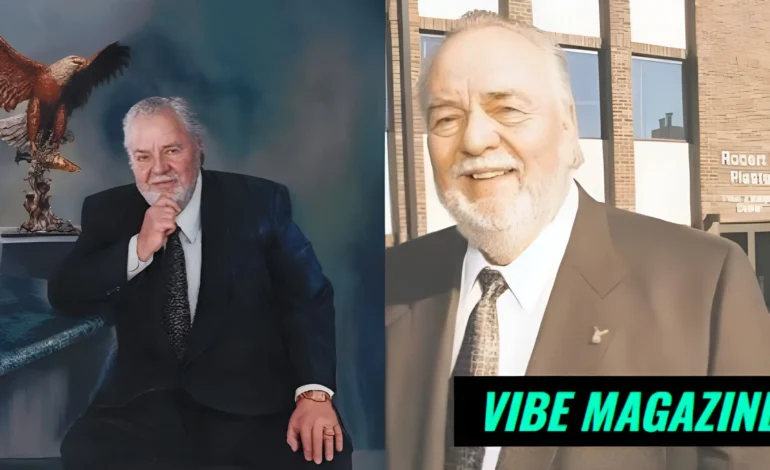

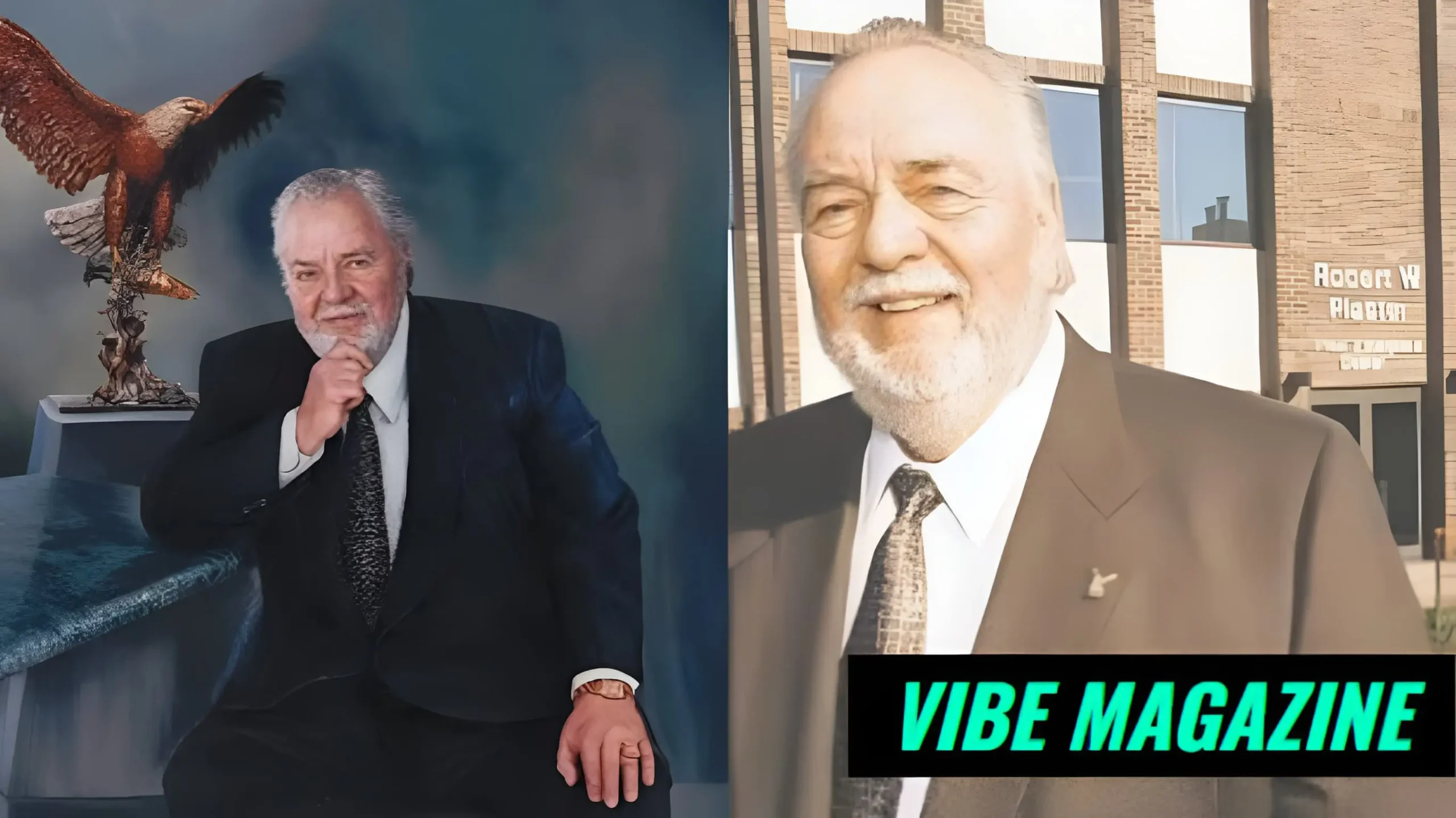
The story behind Robert Plaster Net Worth is closely connected to American entrepreneurship, the energy distribution industry, and the development of a business that became a major name in the propane market. Robert W. Plaster was not a celebrity entrepreneur whose financial life was regularly discussed in public rankings. He was a businessman who built his reputation through commercial activity, company leadership, investment interests, and philanthropy, particularly in southwest Missouri.
His best-known business achievement was founding Empire Gas Corporation in 1963. What began as an entrepreneurial venture in the liquid propane gas industry developed into a substantial distribution business. After decades of involvement, Plaster sold the company in the 1990s and moved into another stage of his professional life through Evergreen Investments, an investment company associated with a range of enterprises.
That history naturally raises questions about the size of his fortune. How much did he earn from Empire Gas? Did his investments increase his wealth after the company’s sale? What happened to his business interests after his death? These questions are important, but they require a careful distinction between documented business achievements and figures that cannot be independently confirmed.
There is no sufficiently reliable public record establishing an exact personal net worth for Robert W. Plaster. Various online estimates have circulated, including claims of billionaire-level wealth, but a specific figure should not be treated as fact without credible financial documentation. His financial story is better understood through the businesses he developed, the sale of Empire Gas, his later investment activity, and the charitable legacy that continues to carry his name.
Quick Bio: Robert Plaster at a Glance
| Fact | Details |
|---|---|
| Full Name | Robert Wayne Plaster, commonly known as Robert W. Plaster |
| Date of Birth | September 3, 1930 |
| Place of Birth | Kansas City, Missouri, United States |
| Nationality | American |
| Profession | Businessman, entrepreneur, investor, and philanthropist |
| Famous Role / Known For | Founder of Empire Gas Corporation and later founder of Evergreen Investments |
| Years Active | His documented business career extended from the founding of Empire Gas in 1963 through his later investment activities before his death in 2008 |
| Net Worth | No independently verified personal net worth figure has been established; estimates circulating online should be treated cautiously |
| Marital Status | Married to Mary Jean Richards, known as Jean |
| Spouse | Mary Jean Richards Plaster |
| Children | Four children: one son and three daughters |
| Notable Works / Achievements | Built Empire Gas Corporation into a major propane distributor, founded Evergreen Investments, established the Robert W. Plaster Foundation, and supported educational and entrepreneurial initiatives |
The Real Story Behind Robert Plaster’s Net Worth
When people search for Robert Plaster net worth 2026, they are usually looking for a single financial figure. That is understandable, especially when his name is associated with a successful company, investment activity, and substantial charitable contributions. However, the financial history of a private businessman who died in 2008 cannot always be summarized through a publicly verified number.
Unlike the wealth of some publicly traded company founders, Plaster’s personal finances were not continuously reported through public stock disclosures or regularly updated financial rankings. His business activities involved private investment interests and company ownership, which makes it difficult to reconstruct the complete value of his personal estate at any particular point.
The most responsible conclusion is that Robert Plaster accumulated substantial wealth through entrepreneurship and business ownership, but an exact personal net worth cannot be confirmed from reliable public information. A specific estimate should not be presented as established fact simply because it appears repeatedly on biography or net worth websites.
Personal Net Worth Is Not the Same as Business Value
One of the biggest mistakes in discussions about Robert Plaster’s fortune is treating the value of Empire Gas as though it automatically represented his personal wealth. A company can own vehicles, storage facilities, equipment, distribution infrastructure, inventory, and other assets. Those assets support business operations, but they do not all belong directly to the founder as personal property.
The value of a business also depends on its liabilities, financial obligations, ownership structure, earnings, and market conditions. Even if a company has substantial assets, its founder’s personal net worth would depend on the value of the ownership interest actually held by that individual, along with personal liabilities and other financial holdings.
This distinction becomes especially important when discussing Plaster because Empire Gas eventually became part of a larger corporate transaction. The company’s business history provides evidence of his entrepreneurial success, but it does not independently establish how much money he personally retained from the transaction.
Why Online Net Worth Estimates Differ
Some websites publish very large estimates for Robert Plaster’s fortune, including claims that place him among billionaires. The difficulty is that such figures are not always accompanied by financial statements, documented ownership percentages, estate records, or a transparent calculation.
A number can become widely repeated without becoming reliable. Some online profiles may also confuse company assets, property values, investment holdings, charitable foundation assets, and personal wealth. These categories should never be combined without evidence showing who owned the assets and how they were valued.
For that reason, an accurate Robert Plaster net worth article should explain the available financial context rather than invent an exact figure. His documented business accomplishments are significant enough to explain his financial influence without relying on unsupported numbers.
From Entrepreneurial Ambition to Business Success
Robert W. Plaster’s early life provides useful context for understanding the person behind the business career. He was born in Kansas City, Missouri, on September 3, 1930, during the Great Depression. He grew up in southwest Missouri, particularly around Neosho, in a period when economic circumstances were difficult for many American families.
His early experiences were shaped by the need to work and contribute. He held jobs as a young boy, including work at a grocery store and a paper route. These experiences are part of the biographical account maintained by the foundation established in his name. They also help explain why his later story is frequently associated with hard work, self-reliance, and the importance of creating opportunities through business.
Plaster attended Joplin Junior College, where he pursued accounting. However, he was unable to continue his education after three semesters because he could no longer afford tuition. Rather than remaining in college, he entered full-time employment. His early professional experience included work for the U.S. Treasury Department and a company operating in the liquid propane gas industry.
That employment became particularly important because it exposed him to a commercial sector that would later define his entrepreneurial career. Working within the propane business gave him an opportunity to understand the industry’s operations and customer needs before establishing a company of his own.
In 1963, he founded Empire Gas Corporation. This was the turning point that connected his early working life with the business legacy for which he became known. Instead of remaining an employee in the energy distribution sector, he moved into business ownership and began developing an independent commercial operation.
His career demonstrates how industry experience can provide a foundation for entrepreneurship. Understanding the practical side of a business can help an entrepreneur recognize customer needs, operational challenges, and opportunities that may not be obvious to someone entering an industry without experience.
Empire Gas Corporation and the Foundation of His Wealth
Empire Gas Corporation was the central business achievement in Robert Plaster’s financial story. Founded in 1963, the company operated in the liquid propane gas distribution industry. Its development transformed Plaster from an entrepreneur starting a commercial venture into a businessman associated with a major regional and national distribution operation.
The propane industry serves customers who need fuel for heating, cooking, agricultural activities, industrial operations, and other applications. Unlike businesses that sell a single consumer product through a small number of retail outlets, propane distribution depends on a network of supply arrangements, storage facilities, transportation systems, customer accounts, and delivery operations.
This creates a business environment where operational organization matters. A distributor needs to manage fuel supplies, maintain equipment, arrange deliveries, comply with safety requirements, and serve customers across its operating territory. The business also depends on understanding seasonal demand, transportation costs, and local market conditions.
Building a Business in the Propane Industry
Plaster’s decision to establish Empire Gas placed him in a sector with practical and recurring demand. Propane is used in homes, farms, commercial buildings, and industrial settings, making distribution an important service in areas where customers depend on it.
The business model requires more than simply purchasing fuel and reselling it. Distribution companies need to build relationships with suppliers and customers while maintaining the physical infrastructure required to store and transport the product. They also need to manage pricing, logistics, maintenance, and safety.
These operational requirements can create barriers for new competitors. A company with established distribution routes, equipment, customer relationships, and industry experience may be better positioned to serve a market than a new entrant starting without those resources.
Empire Gas developed into one of the largest retail LP gas distributors in the United States, according to the biographical history published by the Robert W. Plaster Foundation. This achievement provides a clearer indication of the scale of the business he helped build than unsupported personal net worth estimates.
Company Growth and Commercial Expansion
The growth of Empire Gas was important because a distribution company can expand through several interconnected activities. It may develop new service territories, increase the number of customers it serves, acquire existing operations, or improve its ability to manage fuel storage and delivery.
As a business becomes larger, its operational requirements also become more complex. Management must coordinate employees, vehicles, storage locations, customer relationships, purchasing arrangements, and financial planning. Growth therefore depends on more than demand for the product. It requires an organization capable of delivering the service consistently.
Empire Gas eventually became a publicly listed company on the New York Stock Exchange, according to the foundation’s account of Plaster’s career. That development marked an important stage in its corporate history and reflected the scale it had reached.
However, public listing should not be confused with a complete record of Plaster’s personal wealth. A company’s stock market status can provide information about corporate ownership and financial performance, but an individual’s personal net worth still depends on the number and value of shares or other assets they actually own.
The Sale of Empire Gas
Plaster’s association with Empire Gas continued for decades. He served as chairman of its board from 1963 until 1994, according to an executive biography connected with UMB Financial Corporation. The company’s later history involved a transition from Empire Gas to Empire Energy and a larger transaction in 1996.
The legal history of the transaction provides an important detail. In 1996, Empire Energy entered into an agreement with Northwestern Growth Corporation, which acquired the company’s stock as part of a broader plan to combine propane businesses under the Cornerstone Propane name.
This confirms the importance of the transaction in Plaster’s business history. It does not, however, establish a verified personal sale proceeds figure that can safely be presented as his net worth. The value of a transaction, the amount paid for shares, the debts involved, and the proceeds ultimately retained by an individual are different financial questions.
The sale represented the end of one major chapter in his career and created the opportunity for his subsequent investment activities.
Where Did Robert Plaster’s Money Come From?
Robert Plaster’s financial success can be understood through several business-related areas. The strongest documented foundation was his involvement in Empire Gas, followed by his work with Evergreen Investments. Other details should be treated carefully unless they can be connected to reliable records.
Business Ownership and Entrepreneurship
The most clearly established source of Plaster’s wealth was his entrepreneurial involvement in Empire Gas Corporation. Founding a business gives an entrepreneur the opportunity to build an ownership interest rather than relying exclusively on a salary or executive compensation.
As a company grows, the value of an ownership stake may increase. That value can be influenced by earnings, market position, customer relationships, infrastructure, future prospects, and the willingness of another buyer to acquire the business.
For Plaster, the development of Empire Gas into a major propane distributor created the commercial foundation for his financial success. His long involvement in the company also meant that he experienced different stages of its development, from its early formation to its later corporate expansion.
It is important not to assume that every dollar generated by the company became personal income. A business needs operating capital, investment in equipment, employee compensation, supplier payments, and other expenses. The founder’s financial return depends on ownership arrangements and the company’s financial performance.
Energy and Propane Industry Connections
The propane industry offered Plaster an opportunity to build a business around an essential commercial service. Fuel distribution depends on ongoing customer demand, and established distributors can develop long-term relationships with households, farms, and commercial users.
This type of business can create value through reliable service, efficient delivery networks, and a strong presence in the markets it serves. It also requires investment in physical infrastructure and the ability to manage operational risks.
The sector is not without challenges. Fuel prices can change, transportation costs can rise, and demand can vary according to weather and economic conditions. Safety requirements and equipment maintenance also create responsibilities that distributors must manage carefully.
Plaster’s success in this industry was not simply a matter of entering a profitable market. It involved building and developing an organization capable of operating in a demanding distribution environment.
Investments and Business Interests
After selling Empire Gas, Plaster founded Evergreen Investments, LLC. The foundation’s biography describes the company as an investment business that invested in numerous enterprises. This is an important part of his financial history because it shows that his professional activity did not end with the sale of his best-known company.
An investment company can provide a structure for participating in different businesses and commercial opportunities. Depending on its strategy, it may invest in private enterprises, acquire ownership interests, or support companies with capital and business experience.
However, the public information available about Evergreen Investments does not establish a complete list of its holdings or their individual values. It would therefore be misleading to assign specific companies, investment returns, or portfolio totals to Plaster without reliable documentation.
The existence of Evergreen Investments is a documented part of his business legacy. The precise financial contribution it made to his personal fortune remains difficult to calculate from the available public record.
Long-Term Asset Development
Long-term wealth can develop through more than one successful business. Entrepreneurs may retain equity, reinvest proceeds, acquire assets, or participate in other ventures over time.
Plaster’s transition from Empire Gas to Evergreen Investments illustrates how a business owner can move from operating a company to managing a wider range of investment interests. This shift can create new opportunities while changing the nature of the risks involved.
It is also important to distinguish assets held personally from assets owned by a company, trust, or foundation. A property used by a business may not belong to the individual who manages it. Similarly, an investment held by a separate legal entity should not automatically be included in a personal net worth calculation.
Understanding His Financial Growth Through Different Stages
Robert Plaster’s financial journey is easier to understand as a sequence of business stages than as a series of unsupported annual net worth estimates. Each stage reflects a different part of his professional development.
1. Early Employment and Industry Experience
Before founding Empire Gas, Plaster worked in different roles, including employment with the U.S. Treasury Department and a liquid propane gas company. This period introduced him to professional environments and the energy distribution industry.
His early experience matters because it placed him close to the commercial activity he later pursued independently. He had an opportunity to understand the practical requirements of the propane business before committing to his own company.
2. Establishing a Commercial Foundation
The founding of Empire Gas in 1963 was the defining early milestone. At this stage, the central challenge was building a functioning business, developing customers, managing fuel distribution, and creating an operation that could compete in its market.
The value of the business would have depended on its ability to establish reliable operations and generate sustainable commercial activity. This is the stage in which entrepreneurial effort began turning into a long-term business asset.
3. Expansion and Growing Influence
As Empire Gas expanded, Plaster’s role increasingly involved overseeing a larger commercial organization. The company grew into a major retail propane distributor and eventually became associated with the public markets.
This stage illustrates how a business can develop beyond its original scale. Expansion creates opportunities, but it also requires more sophisticated management, stronger systems, and careful decisions about investment and operations.
4. Later Career and Accumulated Business Interests
The sale of Empire Gas in the 1990s marked a significant transition. Plaster subsequently founded Evergreen Investments, allowing him to continue participating in business through investment activity rather than focusing only on the propane distribution company he had built.
This stage is relevant to the Robert Plaster fortune because it shows that his financial story included more than one business chapter. However, the value of those later interests cannot be reliably reconstructed through assumptions alone.
5. The Financial Legacy Associated With His Name
In the later part of his life, Plaster’s name became increasingly associated with educational philanthropy and the foundation he established. His charitable work reflected a desire to use business success to support opportunities for students and institutions.
The foundation continues to carry that mission forward. Its assets and charitable activity represent an institutional legacy, not a direct measurement of Plaster’s personal wealth at death.
Robert Plaster’s Business Philosophy and Entrepreneurial Influence
Although it is difficult to assign a complete personal philosophy to Plaster without relying on unsupported quotations, several themes are clearly reflected in the public account of his life and career. His professional journey demonstrates the importance of hard work, practical industry experience, and long-term business development.
Recognizing Commercial Opportunities
Plaster entered the propane distribution business after gaining experience in the industry. This suggests an important general lesson about entrepreneurship: opportunities are often easier to recognize when someone understands how a market works.
A potential business owner who knows the customers, suppliers, operating costs, and challenges of an industry may be better positioned to identify unmet needs. Experience does not guarantee success, but it can help entrepreneurs make more informed decisions.
Building Sustainable Operations
Empire Gas’s growth required an operating structure capable of supporting fuel distribution across multiple markets. This highlights the importance of building systems that can handle increasing demand.
A business cannot depend entirely on the founder’s personal effort. As it grows, it needs employees, processes, infrastructure, financial controls, and management practices that allow operations to continue consistently.
Understanding Industry Competition
The propane distribution sector involves competition, supply arrangements, logistics, and customer service. A successful company needs to understand these factors rather than focusing only on sales.
The development of Empire Gas demonstrates the commercial importance of building a position in a market where service reliability and distribution capabilities matter.
Long-Term Decision-Making
Plaster’s career extended across several decades. His transition from Empire Gas to Evergreen Investments also shows how an entrepreneur’s professional interests can evolve over time.
Long-term business development often requires decisions that do not produce immediate results. Investments in infrastructure, customer relationships, and operational capabilities may take years to generate their full value.
Education and Opportunity
One of the most visible themes in Plaster’s legacy was his support for education. He had been unable to complete his college studies because of financial limitations, and later used his resources to help educational institutions expand opportunities for students.
The foundation’s mission reflects the belief that education can help individuals build stronger futures. This connection between personal experience and philanthropy is an important part of his story beyond business ownership.
Personal Life, Family, and the Story Beyond Business
Robert Plaster’s public identity was not limited to his commercial achievements. He was also a husband, father, and community figure whose family life formed an important part of his biography.
He married Mary Jean Richards on February 14, 1951. She was commonly known as Jean, and the couple had four children: one son and three daughters. Their family life was based in the Lebanon, Missouri, area, where Plaster also developed his business and philanthropic activities.
His wife supported the family and participated in the social side of his professional life. Her obituary described her as a devoted homemaker who helped her husband entertain people from different parts of the world during his years as CEO of Empire Gas.
Plaster was also remembered for interests outside business. His obituary describes a love of music, with pianos in his offices and in many rooms of his home. He also enjoyed hunting and fishing on his ranch.
These details provide a more personal picture of a businessman whose public reputation was often defined by his company and charitable contributions. They also show why a biography should not reduce his life to a net worth estimate.
Robert Plaster died on October 11, 2008, at his home in Evergreen, Missouri, near Lebanon. He was 78 years old. His death marked the end of his personal business career, but the foundation and institutions associated with his name continued to carry aspects of his legacy forward.
What Happened to His Wealth and Business Legacy?
Understanding what happened to Robert Plaster’s wealth requires separating the continuation of his charitable and business legacy from the private financial arrangements of his estate.
The sale of Empire Gas had already taken place during his lifetime. After that transaction, he established Evergreen Investments and continued to be associated with business interests. The public record therefore shows that his financial activities evolved rather than simply ending with the sale of his propane company.
However, the complete value of his personal holdings at death is not established through a reliable public net worth statement. Without a complete estate inventory, verified valuations, and information about liabilities, it is not possible to calculate an accurate final personal fortune.
The Difference Between Estate Assets and Company Ownership
An estate generally includes assets legally owned by a person at the time of death, subject to relevant liabilities and legal arrangements. Company assets, by contrast, belong to the company unless they are separately owned by the individual.
This distinction matters when discussing Plaster because his business interests involved companies and other entities. The value of Evergreen Investments, for example, cannot simply be assumed to equal his personal estate. The same principle applies to properties, trusts, and other business-related holdings.
Family and Succession
Plaster was survived by his wife and four children. Their names and family relationships are documented in his obituary, but those facts do not establish the financial distribution of his estate.
It would be inaccurate to state that a particular child inherited a specific amount or received a defined percentage of his business interests without reliable documentation. Family relationships, business succession, estate administration, and inheritance are separate matters.
His son Stephen Plaster was associated with the propane business, and legal records concerning Empire Energy describe his role in the company during the 1990s. That professional involvement provides context for the family’s connection to the business, but it should not be treated as proof of a particular inheritance arrangement.
The Continuing Foundation
The Robert W. Plaster Foundation is one of the clearest examples of how his legacy continued after his death. Established in 1983, the foundation focuses on expanding educational access and promoting the principles of American free enterprise through named capital projects.
Its work has included support for educational institutions and facilities. The foundation’s own public materials report more than $65 million given, over 50 capital projects funded, and more than 40 unique recipients.
Those figures describe the foundation’s charitable activity, not Robert Plaster’s personal net worth. The foundation is a separate institution with its own mission, governance, and assets. Its continued work demonstrates the reach of his philanthropic legacy without revealing the exact value of his private estate.
Robert Plaster’s Influence on Business and His Community
Plaster’s influence extended beyond the company he founded. His business career was closely connected to southwest Missouri, particularly the Lebanon area, where Empire Gas developed and where his later foundation continued to support educational projects.
A successful regional business can influence its surrounding economy in several ways. It may create employment, purchase services from other businesses, support suppliers, and contribute to the development of commercial infrastructure. A distribution company also connects producers and customers through transportation, storage, and delivery operations.
Empire Gas’s growth made it a significant participant in the propane distribution industry. Its development helped establish Plaster’s reputation as a businessman whose work extended beyond a small local enterprise.
Support for Educational Institutions
One of the most visible parts of his community influence was his support for education. The Robert W. Plaster Foundation was established in 1983 to help expand educational opportunities, particularly through capital projects at colleges and universities.
The foundation’s approach reflects a focus on physical facilities and educational environments. Its support has been associated with named buildings and projects at institutions in Missouri and the surrounding region.
These contributions can have lasting institutional effects because educational facilities may serve generations of students. A building, student center, athletic facility, or learning space can remain part of a university’s identity long after the original donor has passed away.
Encouraging Entrepreneurship and Free Enterprise
Plaster was also a co-founder and active supporter of Students in Free Enterprise, now known as Enactus. The organization focuses on helping students develop entrepreneurial thinking and understand the relationship between business, community involvement, and economic opportunity.
His involvement reflected an interest in more than financial success. He supported the idea that students should learn how businesses operate and how enterprise can contribute to society.
This aspect of his legacy connects his personal business journey with a wider educational mission. Having experienced financial barriers to completing college, he later supported initiatives intended to give students stronger opportunities.
Recognition Through Institutions
Plaster received honorary degrees from Southwest Baptist University and Missouri Southern State University. These recognitions reflected his relationship with education and his contributions to institutions in the region.
His name also became associated with facilities and projects supported through the foundation. Such recognition demonstrates how a businessperson’s influence can continue through institutions, educational programs, and community facilities rather than through a company alone.
What His Financial Journey Teaches About Building Long-Term Wealth
Robert Plaster’s career offers several useful lessons about entrepreneurship and wealth creation. These should be understood as broader lessons drawn from the shape of his business journey, not as claims that he personally followed every modern business principle.
Build Around a Genuine Market Need
Empire Gas operated in a sector where customers needed reliable fuel distribution. This illustrates why businesses built around practical demand can have opportunities for long-term development.
Entrepreneurs should understand the problem they are solving and the customers who need the service. A business idea becomes more meaningful when it addresses a real market requirement rather than depending only on temporary attention.
Understand the Economics of an Industry
Plaster had experience in the propane industry before establishing his own company. That background highlights the value of understanding an industry’s operating model.
Every sector has its own economics. Distribution businesses must manage supply, transport, storage, customer relationships, and operating costs. Technology companies face different challenges involving product development, intellectual property, and competition.
Understanding these factors helps business owners make decisions based on how an industry actually functions.
Prioritize Sustainable Growth
Expansion can create opportunities, but rapid growth without adequate systems can place pressure on a business. A company needs sufficient infrastructure, capable employees, and financial planning to support a larger operation.
The development of Empire Gas illustrates the importance of building an organization capable of serving customers as its market presence grows.
Reinvest in Business Operations
Long-term business value often depends on investing in the systems that make operations more reliable. For a propane distributor, that may involve storage, delivery equipment, maintenance, safety procedures, and customer service.
Reinvestment can reduce operational weaknesses and support future growth. It also requires careful judgment because capital committed to one project is no longer available for other opportunities.
Manage Risk
Businesses face risks related to demand, competition, operating costs, regulation, and changes in the wider economy. The energy distribution sector is no exception.
Entrepreneurs need to understand the risks attached to their industry and make decisions that protect the long-term stability of their operations.
Separate Company Value From Personal Wealth
One of the clearest lessons from discussions about Robert Plaster net worth is the importance of distinguishing a company’s value from an owner’s personal financial position.
A business can own significant assets while also carrying debt and operating expenses. A founder’s personal wealth depends on their actual ownership interest, other assets, liabilities, and financial arrangements.
This distinction is essential when researching any private entrepreneur.
Think Beyond Short-Term Financial Gains
Plaster’s later investment activity and philanthropic work demonstrate how a business career can extend beyond the development of one company. His foundation created a structure for supporting educational projects over time.
A long-term legacy can include business interests, institutions, educational opportunities, and community initiatives. Financial success is one part of that story, but it does not describe everything a person contributes.
Robert Plaster Compared With Other Business Entrepreneurs
Robert Plaster’s business background offers an interesting comparison with entrepreneurs who built wealth in technology, retail, manufacturing, or financial services. Although all these paths involve commercial decision-making, the industries themselves create different opportunities and challenges.
A technology founder may build a software product that can be distributed to millions of users without requiring a physical delivery network in every market. A retail entrepreneur may develop a chain of stores, relying on locations, inventory, employees, and customer demand. An energy distributor operates through a different model, where fuel supply, transportation, storage, and delivery infrastructure are central to the business.
Plaster’s career belongs to the last category. His business success came through the development of a company that provided a practical service in the energy distribution market.
Traditional Industry Wealth Versus Technology Wealth
Technology businesses can sometimes grow rapidly because software and digital services can reach large markets. Their valuations may also change significantly based on investor expectations, future growth, and intellectual property.
Traditional distribution businesses often rely more heavily on physical assets and operational networks. Their value may depend on established customer relationships, service territories, equipment, supply arrangements, and the ability to manage costs.
Neither model is automatically superior. They simply create wealth in different ways. Plaster’s career shows how a business operating in a traditional industry can develop into a substantial enterprise through sustained commercial activity.
For another perspective on business careers and different paths to influence, readers can explore VibeMagazine.blog’s article on Richard Peery and Akio Toyoda’s business stories. Their professional backgrounds illustrate how commercial real estate and global manufacturing create very different forms of business influence.
Business Ownership Versus Corporate Leadership
Another useful comparison is the difference between owning a business and leading a large corporation. A company founder may have a direct ownership interest that changes in value as the business grows. A corporate executive may hold significant responsibility without owning the company itself.
Plaster’s story is closely connected to business ownership and the development of Empire Gas. This makes his financial history different from that of executives whose influence comes primarily from managing publicly traded corporations.
VibeMagazine.blog also explores contrasting professional paths in its article about Brian Roberts and Amy Hood, illustrating how corporate leadership can involve major responsibilities without being equivalent to personal ownership of an entire company.
Why Direct Net Worth Comparisons Can Be Misleading
Comparing entrepreneurs through estimated net worth figures can be tempting, but it may hide important differences. Some individuals have publicly disclosed shareholdings, while others hold private business interests or investments that are difficult to value.
A reliable comparison requires consistent information about ownership, liabilities, asset values, and the date of the estimate. Without those details, rankings may create a false impression of financial precision.
Robert Plaster’s legacy is best examined through his documented business career rather than an unsupported position in a wealth ranking.
Frequently Asked Questions About Robert Plaster Net Worth
1. What was Robert Plaster’s net worth?
Robert Plaster’s exact personal net worth has not been established through a reliable, publicly verified financial record. He built substantial business interests through Empire Gas Corporation and later founded Evergreen Investments, but online estimates should be treated cautiously unless they provide transparent supporting documentation.
2. How did Robert Plaster make his money?
His best-documented source of wealth was entrepreneurship. He founded Empire Gas Corporation in 1963 and developed it into a major retail propane distributor in the United States. After the company’s sale in the 1990s, he founded Evergreen Investments and continued his involvement in business.
3. Who was Robert W. Plaster?
Robert W. Plaster was an American businessman, entrepreneur, investor, and philanthropist. Born in Kansas City, Missouri, in 1930, he became known for founding Empire Gas Corporation and supporting educational opportunities through the Robert W. Plaster Foundation. He died in October 2008.
4. Was Robert Plaster associated with Empire Gas Corporation?
Yes. Robert Plaster founded Empire Gas Corporation in 1963 and served as chairman of its board for many years. The company became one of the largest retail LP gas distributors in the United States before its later sale and corporate transition.
5. What industry helped Robert Plaster build his fortune?
The propane and liquid petroleum gas distribution industry was central to his business success. Empire Gas operated in this sector, serving customers who depended on propane for residential, agricultural, commercial, and other uses. His later investment activity through Evergreen Investments also formed part of his business career.
6. Was Robert Plaster a billionaire?
There is no sufficiently reliable public evidence establishing that Robert Plaster was a billionaire. Some online profiles make very large wealth claims, but an exact personal fortune cannot be confirmed from the available documented information. It is more responsible to describe him as a successful and wealthy businessman without assigning an unsupported billionaire status.
7. Did Robert Plaster leave behind a business legacy?
Yes. His business legacy includes the development of Empire Gas Corporation and the later creation of Evergreen Investments. His name is also associated with educational and entrepreneurial initiatives through the Robert W. Plaster Foundation and his support for Students in Free Enterprise, now known as Enactus.
8. What happened to Robert Plaster’s wealth after his death?
Plaster died in 2008, but the complete value and distribution of his personal estate are not established through a reliable public figure. His charitable legacy continued through the Robert W. Plaster Foundation. The foundation’s assets and activities should be understood separately from his personal estate.
9. Who inherited Robert Plaster’s fortune?
Robert Plaster was survived by his wife, Mary Jean, and four children. However, publicly available biographical information does not establish a complete inheritance breakdown or the exact amounts received by individual family members. It would be inappropriate to invent beneficiary details or financial distributions.
10. What is Robert Plaster best known for?
He is best known for founding Empire Gas Corporation and building it into a major propane distribution business. He is also remembered for establishing the Robert W. Plaster Foundation, supporting educational institutions, and promoting entrepreneurship and free enterprise.
Beyond the Net Worth Figure: The Business Legacy That Remains
The story of Robert Plaster’s wealth cannot be reduced to a single verified number. His personal financial records do not provide a reliable public figure that can establish his exact net worth, and large estimates circulating online should not be accepted without evidence. What can be understood more clearly is the business journey that created his financial influence.
Plaster’s career began with employment and practical experience before he founded Empire Gas Corporation in 1963. Over the following decades, the company developed into a major propane distributor and became the defining achievement of his entrepreneurial life. Its later sale marked a transition toward investment activity through Evergreen Investments, extending his business interests beyond the energy distribution company.
His legacy also includes a substantial philanthropic dimension. The Robert W. Plaster Foundation continues to support educational access and capital projects, reflecting his interest in giving students opportunities that he had struggled to access during his own early life. His involvement with Students in Free Enterprise further connected his business experience with the development of entrepreneurial education.
The distinction between company value, personal wealth, investment assets, and charitable foundation resources remains essential when examining his fortune. A successful business can create significant financial value, but that does not mean every company asset belongs to its founder. Similarly, a foundation’s charitable resources represent an institutional mission rather than a direct measure of an individual’s personal estate.
Ultimately, Robert Plaster’s financial story is most meaningful when viewed through the businesses he built, the commercial decisions that shaped his career, and the educational legacy that continued after his death. His journey demonstrates how sustained entrepreneurship can create more than personal financial success: it can also establish institutions and opportunities that remain meaningful long after the original business leader is gone.
For More Visits: Vibemagazine