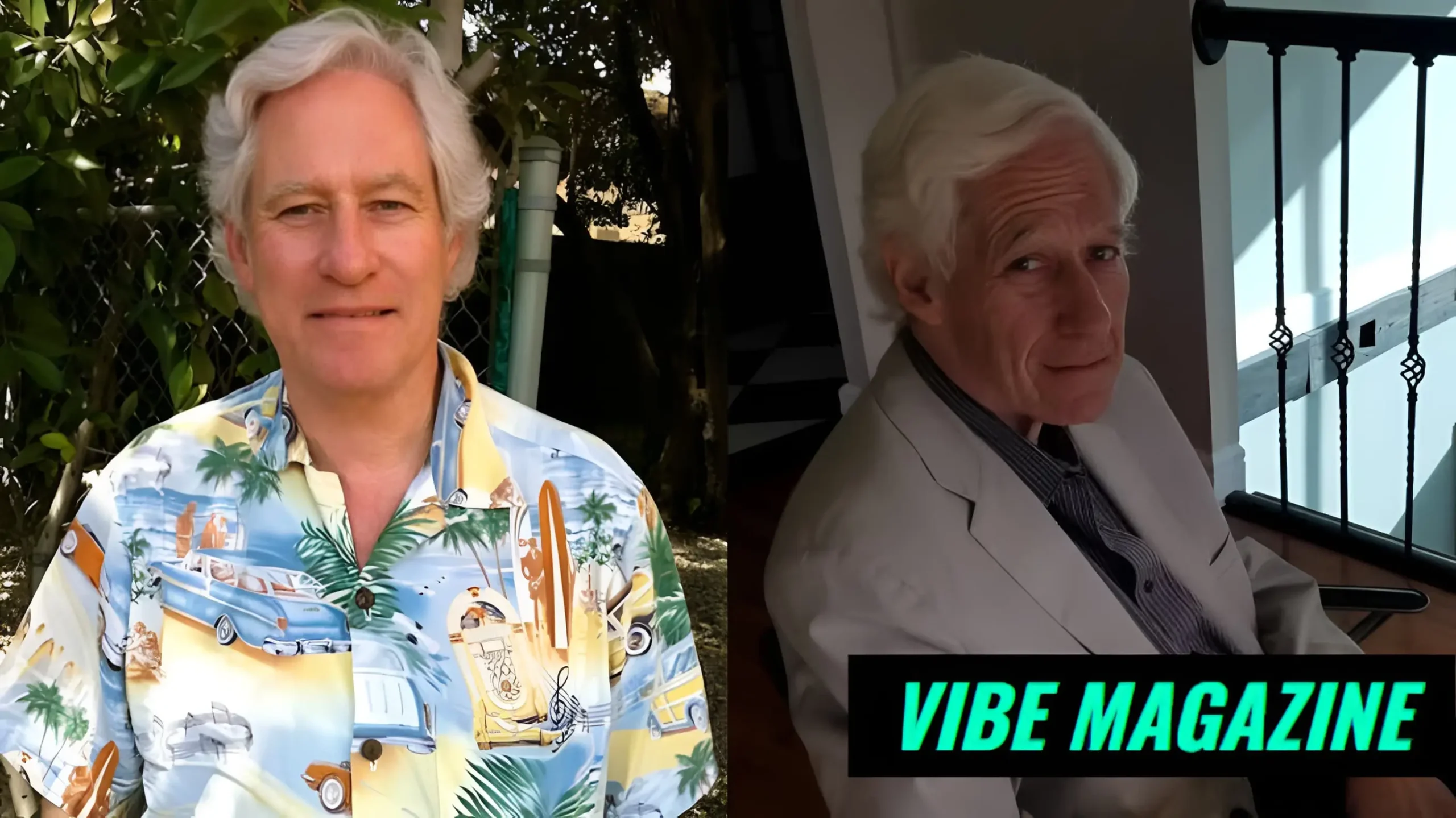


Michael Sloan Net Worth: Career, Wife & Wealth
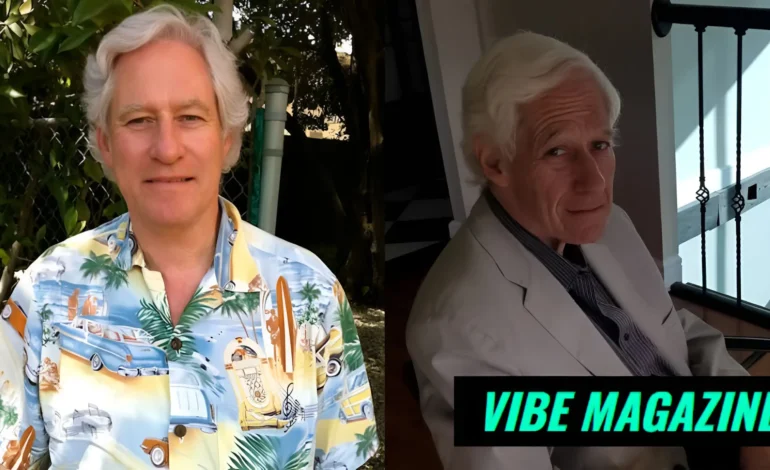

Michael Sloan built a career around stories that kept television audiences interested across several decades. As a screenwriter, producer, and author, he worked on a wide range of productions, from established television dramas to mystery films and suspense projects. However, his name remains especially connected with The Equalizer, the crime drama he co-created with Richard Lindheim. The series introduced audiences to a distinctive kind of television hero: a former intelligence officer who used his experience to help ordinary people facing dangerous situations.
When readers search for Michael Sloan net worth, they are often looking for a financial figure that reflects the success of his entertainment career. His professional history certainly provides several reasons to examine his financial achievements. He worked in television for decades, held writing and production responsibilities, developed a recognizable franchise, produced films, and published books. Each of these activities can create different earning opportunities, although the amount an individual receives depends on contracts, ownership arrangements, and other private financial details.
Michael Sloan passed away on August 13, 2025, at the age of 78. His professional legacy therefore deserves to be considered through both his lifetime achievements and the lasting presence of the entertainment properties connected with his work. While his career is documented, a verified figure for his personal fortune is not established by reliable public financial information. Understanding that distinction is essential to answering the net-worth question responsibly.
Michael Sloan Quick Biography
| Fact | Details |
|---|---|
| Full Name | Michael Fred Sloan |
| Date of Birth | October 14, 1946 |
| Place of Birth | New York City, New York, United States |
| Nationality | American; he also became a naturalized Canadian citizen |
| Profession | Television writer, producer, screenwriter, and novelist |
| Famous Role / Known For | Co-creating The Equalizer with Richard Lindheim |
| Years Active | Early 1970s through his later film, television, and publishing projects |
| Net Worth | No independently verified personal net-worth figure has been established |
| Marital Status | Married until his death in 2025 |
| Spouse | Actress Melissa Sue Anderson |
| Children | Two: Piper and Griffin |
| Notable Works / Achievements | The Equalizer, Quincy, M.E., Columbo, Kung Fu: The Legend Continues, Mystery Woman, and published fiction |
Michael Sloan Net Worth: How Much Was He Really Worth?
The question of Michael Sloan net worth does not have a dependable public numerical answer. Although various entertainment and celebrity biography websites may publish estimates, those figures should not automatically be treated as accurate. A professional biography can establish the projects someone worked on, but it does not reveal the complete financial arrangements behind those projects. Without reliable information about personal assets, liabilities, investments, contracts, and ownership interests, calculating an individual’s actual fortune becomes guesswork.
Sloan’s career suggests that he had several professional opportunities to earn money over a long period. He worked as a writer, producer, and creator, and his responsibilities extended beyond a single television programme. He also became involved in feature films and publishing. These different activities may have contributed to his financial position, but the exact amounts he received are not established through dependable public disclosures.
Why Online Net-Worth Estimates Can Be Misleading
Celebrity net-worth websites often present a single number without explaining how it was calculated. In some cases, the figure may be based on assumptions about an individual’s career length, the popularity of a television programme, or the commercial performance of a film. Those factors can provide context, but they do not reveal what a particular writer or producer personally earned.
A television programme can generate substantial commercial activity while its creators receive compensation according to private agreements. A writer may be paid for an assignment, a producer may receive a separate fee, and rights holders may participate in later licensing arrangements. The financial structure can involve several companies and individuals. As a result, the public success of a production cannot be converted directly into an individual’s net worth.
Professional Earnings Are Not the Same as Personal Wealth
It is also important to distinguish Michael Sloan’s professional income from his personal net worth. Income refers to money earned through work or other activities, while net worth represents the value of assets after liabilities are considered. A person may earn substantial fees over a long career but also have expenses, taxes, investments, and financial commitments that affect the final picture.
For Sloan, available career information establishes his work in television, film, and publishing. It does not provide a complete record of his private finances. Therefore, the most responsible conclusion for Michael Sloan net worth 2026 is that his exact personal fortune remains unverified. His career indicates sustained professional activity and success, but a specific dollar amount would be speculative.
Early Life and Family Background
Michael Fred Sloan was born on October 14, 1946, in New York City. His connection with entertainment began long before he became a professional television writer. He was born into a show-business family, which gave him early exposure to the creative and practical sides of performance and production. His grandfather, Fred Stone, was a well-known stage performer who created the Scarecrow role in the original Broadway production of The Wizard of Oz in 1902.
His parents, Paula Stone and Michael Nelson Sloan, were theatrical producers. Their work placed the family within an environment where stage productions, performers, scripts, and the organization of entertainment were familiar subjects. Growing up around people involved in show business did not guarantee a successful career, but it gave Michael an early connection to the industry he would eventually enter.
Sloan also spent part of his early life in England, where he continued developing his interest in storytelling. His biographical background identifies an association with the Arts Educational Trust. His time in the United Kingdom became an important early chapter in his professional development, as he began writing and producing feature films before returning to the United States in 1974.
This background helps explain why his later career covered more than one area of entertainment. He understood that storytelling was not limited to writing dialogue or creating characters. Film and television production also required coordination, planning, collaboration, and an understanding of how creative ideas could become finished programmes.
Entering the Television Industry
Before becoming widely associated with The Equalizer, Sloan developed experience through writing and producing projects in different formats. His early professional work included feature films produced while he was living in England. He also wrote an episode of Columbo, a notable opportunity because it was an unusual assignment for a freelance writer on the established television programme.
Returning to the United States in 1974 opened another stage of his career. He wrote episodes of Harry O, a detective series starring David Janssen, and later secured a studio position at Universal. This move gave him opportunities to work within a major television production environment, where scripts and stories had to fit established formats, schedules, budgets, and audience expectations.
The transition from freelance writing to studio production work was significant. Writing an individual episode requires a strong understanding of characters and narrative structure, while producing involves broader responsibilities. Producers may work with directors, actors, production teams, executives, and other creative professionals to help move a project from development to completion.
Sloan’s career gradually expanded through these responsibilities. His credits demonstrate experience with crime dramas, science fiction, adventure programmes, television films, and mystery productions. Instead of relying on one type of story, he developed a professional portfolio that allowed him to work across several entertainment formats.
The Equalizer: The Television Series That Defined His Legacy
Among Michael Sloan’s achievements, The Equalizer remains the project most closely associated with his name. He co-created the CBS television series with Richard Lindheim. The original programme premiered in 1985 and starred Edward Woodward as Robert McCall, a former intelligence operative who tried to use his skills to help people facing serious threats.
The premise gave the series a distinctive position within the crime-drama genre. Robert McCall was not presented simply as a police officer or a conventional private detective. He was a man with a complicated professional past who chose to assist people who often had limited ways to protect themselves. His experience, intelligence, and willingness to take risks made him an unusual central character for television at the time.
The show’s stories explored crime, intimidation, corruption, exploitation, and personal danger. Many episodes began with an ordinary person facing circumstances that seemed impossible to overcome. McCall’s involvement created a path toward justice, but the solutions were not always simple. The programme often examined the consequences of violence and the difficult choices involved in confronting people who used power against others.
The Storytelling Approach Behind the Series
The strength of The Equalizer came partly from its balance between action and human drama. While the series included suspenseful confrontations, its central appeal was the idea that someone with unusual abilities could choose to use them in the service of others. McCall’s personal code gave the programme a moral foundation that distinguished it from many crime stories built entirely around investigation and punishment.
Creating a television series requires more than an interesting main character. The concept must support multiple episodes, introduce new situations, and give the audience reasons to return. Sloan and Lindheim developed a format that could explore different people and circumstances while maintaining a recognizable central identity.
That structure helped the series establish a lasting place in television history. Its title became associated with the idea of restoring balance when ordinary people had no practical way to defend themselves. Readers interested in the wider history of the programme can explore The Equalizer on Wikipedia, which provides an overview of the franchise and its different versions.
How The Equalizer Influenced Sloan’s Career
The series gave Sloan a recognizable creative achievement that remained connected to his later professional work. A successful television concept can strengthen a writer’s reputation, create new professional relationships, and provide opportunities to participate in future adaptations. It can also make a creator more visible to production companies looking for people who understand established entertainment properties.
However, the success of The Equalizer should not be confused with proof of a particular personal income. The series involved multiple contributors, production companies, broadcasters, and rights arrangements. Sloan’s role as co-creator and his later involvement in related productions are established parts of his career, but the precise financial terms of those arrangements are not publicly confirmed.
Beyond The Equalizer: Other Television and Film Projects
Although The Equalizer became his signature achievement, Michael Sloan’s career included many other television projects. His professional history shows that he was comfortable moving between different genres and production formats. This range helped him develop a reputation as a writer and producer who could contribute to established television programmes as well as new concepts.
One of his important early credits was Quincy, M.E., the medical crime drama starring Jack Klugman. Sloan’s work on the programme formed part of the production history that earned him an Emmy nomination in 1978 in the Outstanding Drama Series category. An Emmy nomination is a meaningful professional recognition, particularly in an industry where television credits often involve the work of large creative teams.
He also worked on McCloud, The Hardy Boys/Nancy Drew Mysteries, Battlestar Galactica, and B.J. and the Bear. These productions covered very different audiences and storytelling styles. McCloud and Quincy, M.E. combined crime, investigation, and character drama, while Battlestar Galactica explored science-fiction adventure. The variety illustrates the breadth of Sloan’s television experience.
Alfred Hitchcock Presents
Sloan’s work on Alfred Hitchcock Presents was another substantial part of his career. He produced 41 episodes of the revived anthology series, writing many of them as well. Anthology programmes present a different creative challenge from continuing dramas because individual episodes can introduce new characters, settings, and conflicts.
This format requires a writer to establish an engaging situation quickly and create a satisfying narrative within a limited amount of time. Suspense, atmosphere, pacing, and surprise become particularly important. Sloan’s involvement in the programme demonstrated his ability to work with compact stories as well as longer-running television narratives.
Kung Fu: The Legend Continues
Another major project was Kung Fu: The Legend Continues, which starred David Carradine and Chris Potter. Sloan wrote and produced 88 episodes of the series, making it one of the more extensive television commitments in his career.
The programme combined action, family relationships, crime stories, and philosophical themes. Working on a series with this many episodes required sustained creative involvement and an understanding of how characters and storylines could develop over time. It also demonstrated the professional value of experience in long-running television production.
Mystery Woman and Other Television Films
Sloan created Mystery Woman for the Hallmark Channel. The project developed into a series of ten television films, giving him another opportunity to build a recognizable concept around recurring characters and a familiar mystery format.
His wider credits also included The Master, Call of the Wild, and episodes of The Outer Limits. He worked on television films connected with The Six Million Dollar Man and The Bionic Woman, including Bionic Showdown. His feature-film work included The Caller, Ring of Fire, Alien Agent, and Art of War II.
These projects matter when examining Michael Sloan’s career because they show that his professional identity was not dependent on one television title. His work across multiple productions created a broader record of creative and production experience.
How Television Writers and Producers Earn Money
Understanding Michael Sloan’s potential financial position requires looking at the different ways entertainment professionals can be compensated. Writers and producers do not all receive income through the same arrangements. Their compensation depends on the type of project, their responsibilities, their agreements, and whether they hold any continuing rights or ownership interests.
The following income categories explain how television careers can create financial opportunities. They describe general industry mechanisms, not confirmed payments received by Sloan.
Screenwriting Fees
Screenwriters may receive payment for developing concepts, writing scripts, revising existing material, or contributing to individual episodes. Some assignments involve a single script, while others require writers to work across several episodes or participate in a larger development process.
A writer’s compensation can vary according to experience, the production budget, the type of programme, and the terms of the agreement. Established writers may have opportunities to negotiate more substantial assignments, but public information about a writer’s credits rarely reveals the exact amount paid for each script.
For someone with Sloan’s professional history, screenwriting was an important part of his working life. His credits across several decades demonstrate repeated involvement in television storytelling. However, without access to his individual contracts, it would not be responsible to estimate his total writing income.
Television Production Work
Production roles can involve responsibilities beyond writing. Depending on the title and agreement, a producer may help develop a programme, supervise scripts, coordinate creative decisions, manage production requirements, or work with executives and directors.
Different producer titles can reflect different levels of responsibility. An associate producer, supervising producer, executive producer, and creator may have distinct duties and compensation structures. The title alone does not establish the amount a person earned.
Sloan worked in several production capacities, including executive and supervising production roles. This experience expanded his professional contribution beyond writing assignments and gave him opportunities to participate in projects from a broader production perspective.
Syndication and Licensing
Television programmes may continue to have commercial value after their original broadcast. Older series can be distributed through reruns, licensing arrangements, home entertainment releases, streaming services, or international television markets.
However, the existence of these commercial opportunities does not mean every person who worked on a programme receives continuing payments. Whether someone benefits financially depends on the contracts, rights ownership, applicable agreements, and the person’s specific participation.
This distinction is especially important when discussing The Equalizer. The franchise has continued through later productions, but the ongoing commercial activity surrounding a property does not automatically establish the amount its original creators receive.
Book Publishing and Royalties
Authors may earn income through publishing advances, book sales, and royalties. An advance is generally paid according to a publishing agreement, while royalties may be calculated based on sales and the terms of the contract.
Book income can continue after publication, particularly when a title remains available and finds new readers. Yet the amount depends on sales, pricing, the publishing arrangement, and other contractual details.
Sloan’s work as an author created another professional channel beyond television. His published books and memoir demonstrate that he continued developing stories and sharing his experiences outside the production environment. No reliable public record establishes his total book income.
Creative Rights and Long-Term Agreements
Ownership and contractual rights can influence the financial value of entertainment work. A creator may have an agreement covering certain rights, while a production company or another rights holder may control distribution and licensing. Different projects can involve different arrangements.
This is why it is difficult to estimate an entertainment professional’s wealth by looking only at the popularity of a series. The key financial details are often contained in private contracts. Without those documents, it is impossible to determine exactly how much a creator received from later uses of a television property.
Michael Sloan’s Books and Work as an Author
Michael Sloan’s creative interests extended beyond television scripts. He also wrote fiction and shared his professional experiences through publishing. His books show another side of his storytelling career, particularly his interest in suspense, mystery, and characters facing difficult situations.
One of his notable publishing projects was The Equalizer, a novel released in 2014. The book presented an original story connected with the Robert McCall character, allowing readers to experience the world of the franchise in a different format. A novel can provide more space for internal thoughts, background details, and narrative developments than a television episode.
Sloan continued the literary series with Killed in Action, published in 2018, and Equalizer: Requiem, released in 2021. These projects reflected his continuing relationship with the character and the wider franchise. They also demonstrated how an established television concept can inspire storytelling across different forms of entertainment.
His memoir, One More Thing, Sir…: The Musings of a Television Writer-Producer, offered a more personal look at his experiences in the industry. Published in 2019, it included reflections on his professional life and the people and productions he encountered along the way. For readers interested in the practical side of television writing and production, a memoir of this kind can offer a different perspective from a standard career biography.
Sloan also had a connection with the stage through Underground, a thriller play that was produced with Raymond Burr. This project is worth distinguishing from his published novels because it belonged to a different form of storytelling. Theatre relies on live performance, dialogue, staging, and the relationship between actors and an audience in the same physical space.
Why Publishing Added Another Dimension to His Career
Writing a novel requires a different creative process from preparing a television script. A television writer must consider production limitations, episode length, visual storytelling, and the needs of a cast and crew. A novelist can spend more time exploring a character’s thoughts, describing a setting, or developing a plot through prose.
Moving between these formats allowed Sloan to approach storytelling from different angles. It also expanded the kinds of work associated with his name. While publishing can create another income stream for writers, the financial results depend on sales and contractual arrangements. No verified figures establish how much Sloan earned from his books.
Michael Sloan’s Wife and Family Life
Michael Sloan was married to actress Melissa Sue Anderson. The couple married on March 17, 1990, and remained together until his death in August 2025. Anderson is widely recognized for her acting career, particularly her role as Mary Ingalls in the television series Little House on the Prairie.
Their professional paths connected through television. Sloan and Anderson worked in the same entertainment environment, including projects associated with Alfred Hitchcock Presents. Their relationship developed into a marriage that lasted more than three decades.
The couple had two children, Piper and Griffin. Although their parents had professional connections to the entertainment industry, the family generally maintained a private personal life. Sloan’s public career was documented through his television and publishing work, while details about the children’s private lives were not a major part of his professional identity.
Family Life Away From Hollywood
Entertainment careers can involve demanding schedules, travel, long production periods, and professional commitments that extend beyond normal working hours. Maintaining family life alongside those responsibilities can require careful decisions about where to live and how to organize daily routines.
Sloan and Anderson eventually made Canada their home and became naturalized Canadian citizens. Their family life was therefore connected to more than one country, reflecting the international nature of their professional and personal experiences.
It is important not to confuse the public careers of family members with their private finances. Anderson’s acting career and Sloan’s television work were separate professional histories. Their marriage does not provide enough information to calculate either person’s individual net worth or the financial arrangements within their household.
Readers interested in other entertainment-industry relationships and personal biographies can also explore Vibe Magazine’s article about Megan Moroney and Morgan Wallen, which looks at public interest surrounding two figures in the music world.
How Michael Sloan’s Career May Have Contributed to His Financial Position
A career lasting several decades can create opportunities for financial stability, especially when a professional works across different areas of an industry. Sloan’s record included television writing, production, feature films, series development, and book publishing. These activities offered different ways to remain professionally active and build relationships within entertainment.
His work on established programmes gave him experience in television production and an opportunity to collaborate with actors, directors, studios, and other writers. A strong professional network can be valuable in an industry where future assignments often depend on experience, reputation, and the ability to deliver work within demanding production schedules.
The creation of The Equalizer was particularly important because it gave him a recognizable property that continued to receive attention through later adaptations. His involvement in the 2014 film and subsequent franchise activity extended his connection with the character beyond the original television series.
Sloan also worked on projects such as Mystery Woman and Kung Fu: The Legend Continues, demonstrating that his career included more than one successful concept. His publishing work added another dimension, allowing him to develop stories through books and share his professional experiences through a memoir.
Nevertheless, these achievements should be viewed as evidence of professional activity, not as a precise financial statement. A creator’s career can be extensive without public information revealing the value of personal investments, property, savings, liabilities, or contractual income. The available record supports the conclusion that Sloan had a substantial entertainment career, but it does not establish a reliable net-worth amount.
Michael Sloan Compared With Other Television Creators
Television creators, screenwriters, executive producers, and showrunners can have very different financial opportunities. Their earning potential depends on their responsibilities and the structure of the projects they work on. Someone who writes a single episode may have a different agreement from a person who develops a series, oversees production, or negotiates a role connected with a continuing entertainment property.
A creator’s position can also change over time. Early in a career, a writer may focus on obtaining assignments and building a portfolio. Later, professional experience may create opportunities to become a producer, supervise other writers, or develop original programmes. Each stage can involve different compensation arrangements.
Sloan’s career included several of these professional dimensions. He wrote scripts, produced episodes, developed television concepts, and worked on feature films. That range made his career different from one focused exclusively on screenwriting or a single production role.
His professional journey also reflects how entertainment careers can be built through repeated collaborations. Writers and producers often move between studios and production companies, carrying experience and professional relationships from one project to another. This network can help create future opportunities, although it does not guarantee a particular level of income.
For another perspective on professional success across different industries, Vibe Magazine has explored Brian Roberts and Amy Hood’s career journeys. Their professional paths differ from Sloan’s entertainment work, but the comparison illustrates how leadership, experience, and long-term industry involvement can shape a public career.
The Lasting Impact of The Equalizer and His Creative Work
The continued recognition of The Equalizer is an important part of Michael Sloan’s legacy. The original television series introduced a character and premise that remained adaptable to later audiences. The franchise eventually expanded into feature films starring Denzel Washington, followed by additional instalments, and a later television version starring Queen Latifah.
Sloan was involved in the 2014 feature film as a producer, extending his connection with the property into a new format. The film introduced Robert McCall to a different generation of viewers while retaining the central idea of an individual using his abilities to help people facing danger. The later films continued the character’s screen presence.
The franchise also returned to television through a modern adaptation. This demonstrated the flexibility of the original concept, which could be reinterpreted through different actors, settings, and storytelling approaches. For a creator, seeing a concept continue in new forms can be a meaningful professional achievement.
However, renewed audience interest does not automatically increase a creator’s personal wealth. The financial consequences depend on who owns the relevant rights and how the later productions are structured. The cultural life of a television property and the financial position of its original creators are related subjects, but they are not interchangeable.
Sloan’s wider body of work also deserves recognition. His contributions to Quincy, M.E., Columbo, Alfred Hitchcock Presents, Battlestar Galactica, Kung Fu: The Legend Continues, and Mystery Woman demonstrate a career that crossed genres and formats. His memoir and novels further show that storytelling remained central to his professional identity.
Frequently Asked Questions About Michael Sloan Net Worth
1. What Was Michael Sloan’s Net Worth in 2026?
Michael Sloan’s exact net worth has not been established through reliable public financial information. He had a long career as a television writer, producer, and author, but there is no independently verified figure that can accurately represent his personal fortune. Online estimates should be treated cautiously unless supported by credible financial evidence.
2. Who Was Michael Sloan?
Michael Fred Sloan was an American television writer, producer, screenwriter, and novelist born on October 14, 1946, in New York City. He was best known for co-creating The Equalizer with Richard Lindheim. His other work included Quincy, M.E., Columbo, McCloud, Battlestar Galactica, and Kung Fu: The Legend Continues. He died on August 13, 2025, aged 78.
3. How Did Michael Sloan Make His Money?
Sloan worked across several areas of entertainment, including television writing, programme production, feature films, and book publishing. These professional activities can provide income through writing assignments, production agreements, publishing arrangements, and other contractual opportunities. The exact amounts he personally earned from these activities have not been publicly established.
4. What Was Michael Sloan Best Known For?
He was best known for co-creating the original television series The Equalizer with Richard Lindheim. The CBS crime drama starred Edward Woodward as Robert McCall, a former intelligence operative who helped people facing dangerous situations. Sloan’s association with the franchise continued through later film and television projects.
5. Did Michael Sloan Create The Equalizer?
Michael Sloan co-created The Equalizer with Richard Lindheim. The original television series premiered in 1985 and became a defining part of Sloan’s career. It introduced Robert McCall, a character whose skills and personal principles allowed him to help people who had few other ways to fight back.
6. Was Michael Sloan Married to Melissa Sue Anderson?
Yes. Michael Sloan married actress Melissa Sue Anderson on March 17, 1990. Anderson is best known for playing Mary Ingalls in Little House on the Prairie. Their marriage lasted until Sloan’s death in August 2025.
7. How Many Children Did Michael Sloan and Melissa Sue Anderson Have?
Michael Sloan and Melissa Sue Anderson had two children, Piper and Griffin. The family generally kept its private life away from the spotlight, despite both parents having professional connections to the entertainment industry.
8. What Television Shows Did Michael Sloan Work On?
His television credits included The Equalizer, Quincy, M.E., Columbo, McCloud, Harry O, The Hardy Boys/Nancy Drew Mysteries, Battlestar Galactica, B.J. and the Bear, Alfred Hitchcock Presents, Kung Fu: The Legend Continues, Mystery Woman, and The Outer Limits. His work covered crime drama, mystery, science fiction, and action-adventure.
9. Did Michael Sloan Write Any Books?
Yes. Sloan wrote The Equalizer, Killed in Action, and Equalizer: Requiem, which were connected with his work on the Robert McCall character. He also published One More Thing, Sir…: The Musings of a Television Writer-Producer, a memoir reflecting on his experiences in entertainment.
10. Did Michael Sloan Receive Royalties From The Equalizer?
There is no publicly confirmed information establishing the exact royalties or continuing payments Sloan received from The Equalizer. Such payments depend on contracts, ownership interests, and the rights arrangements connected with a production. His role as co-creator and his later involvement in the franchise are documented, but the precise financial terms remain private.
Conclusion: Michael Sloan’s Career Was Worth More Than a Net-Worth Estimate
Michael Sloan’s professional story is an example of how a career in television can develop through creativity, adaptability, and long-term industry experience. From his early work in England to his television assignments in the United States, he built a varied record as a writer and producer. His contributions to Quincy, M.E., Columbo, Alfred Hitchcock Presents, Kung Fu: The Legend Continues, and other productions demonstrated his ability to work across different genres.
His co-creation of The Equalizer with Richard Lindheim became the most recognizable achievement of his career. The franchise continued through films and later television adaptations, allowing the central character and concept to reach new audiences. Sloan also explored storytelling through novels, a thriller play, and a memoir, showing that his creative work was not limited to television production.
When considering Michael Sloan net worth, the important distinction is between a documented professional legacy and an unverified financial estimate. His decades of work indicate a successful career, but they do not reveal the complete value of his private assets or the terms of his entertainment contracts. Without dependable financial disclosures, assigning him a specific net-worth figure would create an impression of certainty that the available information does not support.
Ultimately, Sloan’s legacy is better understood through the stories he helped bring to audiences, the television projects he shaped, and the creative worlds he continued to develop. A financial estimate may attract attention, but the lasting influence of a television creator is often measured by something more enduring: whether the characters and stories remain meaningful long after their original production has ended.
For More Visits: Vibemagazine